Elektrolityczne płatki manganu metalowego do produkcji stali nierdzewnej
W zaawansowanej globalnej produkcji stopów podstawowym wymogiem jest utrzymanie sztywnej integralności strukturalnej przy jednoczesnym ograniczeniu zanieczyszczenia chemicznego.Elektrolityczne płatki metalowe manganu stanowią najlepsze rozwiązanie elementarne dla metalurgii wysokiego poziomuJako dedykowany dostawca płatków elektrolitycznych manganu, ZhenAn dostarcza precyzyjne 99.7% Elektrolityczne warianty manganu metalu zaprojektowane w celu przetrwania ekstremalnych procesów redukcji termicznej bez wprowadzania szkodliwych pierwiastków łupkowych do stopu.
Definicje i podstawowe właściwości płatków elektrolitycznych z manganu
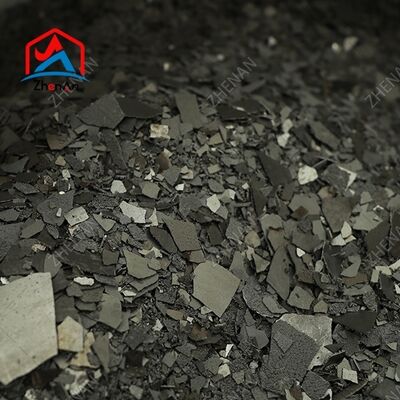
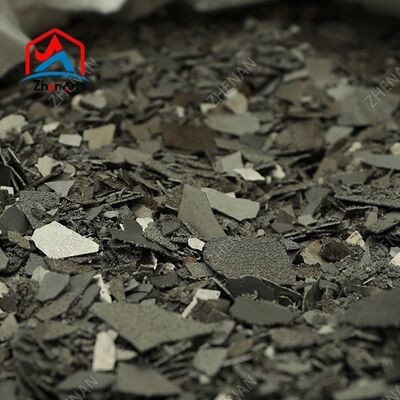
Elektrolityczne płatki manganu metalowego (zwykle skrócone jako EMM) to rafinowane elementarne płyty manganu wytwarzane w drodze wycierania hydrometalurgicznego i późniejszego elektroodłożenia.Te blachy/flaki manganu wykazują nieregularne, krucha struktura, o błyszczącej srebrno-białej metalowej powierzchni po stronie skierowanej w stronę matrycy katodowej i szorstkim, ciemnobrązowym wykończeniu na odwrocie.
Działając jako elitarny dodatek do stopów manganu, stanowi najwyższą komercyjną czystość dostępną dla inżynierii metalurgicznej.Globalne operacje wybierają ten mangan elektrolityczny o wysokiej czystości, ponieważ zawiera minimalne ślady zanieczyszczeń (takich jak węgiel, krzemu i żelaza), co czyni go znacznie lepszym od tradycyjnych granulowanych stopów żelaznych w procesie wytwarzania wysokiej jakości stali specjalnych i stopów o wysokiej entropii.
Proces produkcji: Przetwarzanie rudy w mangan elektrolityczny o wysokiej czystości
Proces wytwarzania przemysłowego metalu manganego EMM wymaga rygorystycznych etapów separacji metalurgicznej w celu wyeliminowania elementów towarzyszących z surowych matryc manganu:
- Wyciek kwasu:Surowy proszek węglanu manganu (MnCO3) lub pierwotnie redukowana rudę dwutlenku manganu miesza się z kwasem siarkowym (H2SO4) w celu wytworzenia płynnego roztworu siarczanu manganu (MnSO4).
- Oczyszczanie chemiczne:W celu oddzielenia toksycznych metali ciężkich (w tym żelaza, miedzi, ołowiu, kobaltu i niklu) od czystej warstwy płynnej dodaje się związki neutralizujące, siarczan amonu i specjalistyczne floculanty.
- Elektrozałożenie:Oczyszczony roztwór przepływa do zbiorników elektrolitycznych zawierających anody ze stopu ołowiowego i katody ze stali nierdzewnej.
- Wyrzucanie i pasywacja:Płyty metalowe są mechanicznie rozbijanie i łuszczenie z płyt, mycie wodą, leczenie roztworami przeciwoksydującymi, suszenie i sortowanie w masową dostawę.
Wartości i specyfikacje analityczne
Aby zapewnić spójność w międzynarodowych łańcuchach dostaw, dostawca manganu elektrolitycznego klasyfikuje materiały według całkowitej masy pierwiastkowej.Światowym punktem odniesienia dla rafinacji o wysokiej wydajności jest DJMn99.7 oznaczenie.
| Element chemiczny |
Stopa Mn99,7% (Baza przemysłowa) |
Stopień Mn99,8% (Premium próżniowe) |
| Mangan (Mn) ≥ |
99.70% |
99.80% |
| Węgiel (C) ≤ |
00,04%. |
00,01%. |
| Siarka (S) ≤ |
00,03% |
00,02 proc. |
| Fosfor (P) ≤ |
00,005% |
00,004% |
| Żelazo (Fe) |
00,02 proc. |
00,01%. |
| Silikon (Si) ≤ |
00,01%. |
00,005% |
Parametry techniczne efektywności topnienia
Zespół ds. zamówień publicznych ocenia płatki metalowe manganu na podstawie określonych prógów fizycznych i gazowych, które wpływają na współczynnik odzysku pieca indukcyjnego:
- Rozmiar fizyczny i grubość płatków:Standardowa grubość szczypów wynosi od 1,5 mm do 3,0 mm. Idealna grubość zapewnia efektywny stosunek powierzchni do masy, zapobiegając uwięzieniu płatków w warstwach żużlu pieca.
- Zachowanie podczas topnienia:EMM szybko rozpuszcza się w temperaturze około 1244°C, zapewniając szybkie, jednolite rozproszenie pierwiastków w nowoczesnych konwerterach AOD.
- Progi zawartości gazu:W przypadku krytycznych zastosowań odlewu odwodniania próżniowego poziom wodoru pozostałego zmniejsza się do ≤ 10-30 ppm, zapobiegając rozkładowi wodoru w stopy wrażliwe.
Zastosowania w przemyśle chemicznym
Oprócz tradycyjnych zastosowań w produkcji stali, mangan elektrolityczny klasy przemysłowej służy jako niezawodny surowiec w kilku sektorach chemicznych:
- Akumulatory litowo-jonowe:Rozpuszczone płatki EMM działają jako prekursor chemiczny do wytwarzania wysokiej czystości siarczanu manganu (MnSO4).Jest to kluczowy element w produkcji katod NMC (nikl-mangan-kobalt) i LMFP dla nowoczesnych pojazdów elektrycznych.
- Wyroby z ceramiki magnetycznejEMM pomaga syntetyzować wysokiej wydajności ferryty manganu- cynku stosowane w transformatorach elektronicznych, induktorach mocy i specjalistycznym sprzęcie do filtrowania sygnałów.
Wymagania dotyczące produkcji stali nierdzewnej
W produkcji stali nierdzewnej mangan jako dodatek do produkcji stali służy jako skuteczny środek stopu i jako opłacalna alternatywa dla kosztownych matryc niklowych:
- Stabilność matrycy fazowej austenitu:W stali nierdzewnej z serii 200 mangan z powodzeniem zastępuje znaczną część niklu. Stabilizuje niemagnetyczną strukturę austenityczną fcc przy jednoczesnym obniżeniu całkowitych kosztów surowców.
- Działanie deoksydacyjne:Mangan wykazuje silne powinowactwo termodynamiczne do rozpuszczonego tlenu wewnątrz łodyg, wiążąc go bezpiecznie w łatwo usuwające się struktury krzemianowe.
Zmiany strukturalne: mangan metaliczny 99,7% VS 95% krzemu manganu
Wybór pomiędzy ultraczystego 99,7% manganu metalicznego a niskowartościowymi stopami silikomanganu masowego zależy całkowicie od dopuszczalnych zanieczyszczeń w finalnym produkcie:
| Indeks nieruchomości |
Metal mangan 99,7% (EMM) |
95% stopów krzemu manganu |
| Koncentracja czystego Mn |
≥ 99,7% |
650,0% - 75,0% Typowe |
| Ślady węgla i krzemu |
Bardzo niskie (C ≤ 0,04%, Si ≤ 0,01%) |
Wysoki (Si ≥ 15,0%, C ≥ 1,5%) |
| Zakres zastosowania |
Stalo nierdzewne o bardzo niskiej zawartości węgla, superstopy |
Standardowa stal konstrukcyjna węglowa |
Porównanie produktów: Mangan elektrolityczny VS Ferromangan standardowy
Ocena elektrolitycznego produktu manganowego w stosunku do konwencjonalnych dodatków masowych zapobiega niezamierzonym korektom bilansów chemicznych podczas fazy dopasowywania:
- Elektrolityczny produkt manganu VS ferromanganu (FeMn):EMM dostarcza manganu elementarnego wolnego od towarzyszących struktur macierzy żelaza.Dodawanie ferromanganu do stali nierdzewnej o bardzo niskiej zawartości węgla (takiej jak 304L lub 316L) jest chemicznie niepraktyczne, ponieważ powoduje niepożądane wychwytywanie węgla.
- Płytki metalowe manganu VS stopy aluminium-manganu:Czyste płatki szybko rozpuszczają się w stopieniu bez wprowadzania wtórnych elementów stopu.Stopy główne aluminium-manganu wymagają ścisłego śledzenia składu i dodatkowej energii przetwarzania, aby prawidłowo obsługiwać stosunek pierwiastków wtórnych.
Ramy weryfikacji i pakowania
Zbieranie głównych przydziałów metalurgicznych od wiarygodnego organu eksportu płatków manganu, takiego jak ZhenAn, wymaga ścisłej weryfikacji jakości:
- Dokładna certyfikacja laboratoryjna:Każda seria produkcji jest weryfikowana za pomocą certyfikowanych badań SGS, Intertek lub Bureau Veritas (BV) w celu potwierdzenia dokładnej masy manganu elementarnego.
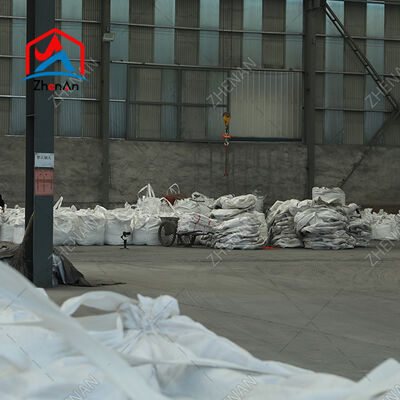
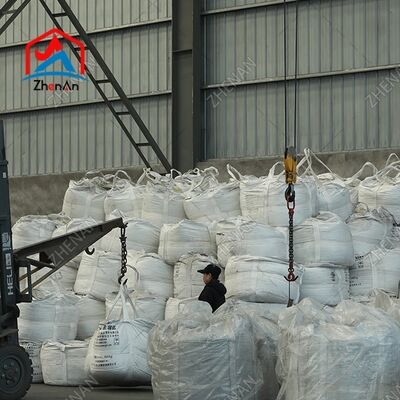
- Opakowanie odporne na wilgoć:Aby zapobiec utlenianiu podczas transportu morskiego, materiały są pakowane do pojemników z polimerami o pojemności 1 tony lub 1,25 tony, z zamkniętymi wewnętrznymi wyściółkami.
Częste pytania
Dlaczego w produkcji stali nierdzewnej stosowane są płatki manganu elektrolitycznego?
Elektrolityczne płatki manganu są wykorzystywane, ponieważ dostarczają czystego manganu (≥99,7%) bez wprowadzania niepożądanego węgla, krzemu lub żelaza do stopu.Ten wysoki poziom czystości pozwala inżynierom precyzyjnie kontrolować tolerancje chemiczneJest to szczególnie przydatne w stali nierdzewnej serii 200 i 300, gdzie mangan służy jako ekonomiczny stabilizator austenitu, który zastępuje drogie pierwiastki niklu.
W jaki sposób mangan poprawia właściwości mechaniczne stali nierdzewnej?
Mangan znacząco zwiększa szybkość zatwardzania, wytrzymałość na rozciąganie i wytrzymałość konstrukcyjną stali nierdzewnej bez zmniejszania ogólnej elastyczności.Podczas cykli chłodzenia rafinacja krystalicznej matrycy ziarnistej, zwiększając odporność na uderzenia i trwałość konstrukcji w warunkach wysokich obciążeń mechanicznych.
Czy mangan elektrolityczny pomaga kontrolować zawartość siarki w procesie wytwarzania stali?
Mangan ma wysoką chemiczną powinowactwo do siarki w wysokich temperaturach produkcji stali.Reaguje z pozostałą siarką tworząc włączenia siarczanu manganu (MnS), które unoszą się w warstwie żużlu lub równomiernie rozprowadzają się w formie małychW ten sposób zapobiega się tworzeniu siarczan żelaza o niskim punkcie topnienia, zapobiegając pękaniu w trakcie fazy obróbki na gorąco i walcowania.
Jaka jest różnica między manganem elektrolitycznym a ferromanganem?
Główną różnicą jest czystość pierwiastków i zawartość węgla.Ferromangan jest stopem żelazem o niższej klasie zawierającym tylko 70-80% manganuW związku z tym standardowy ferromangan jest nieodpowiedni dla stali nierdzewnej o bardzo niskiej zawartości węgla.
Jak czystość EMM wpływa na jakość stali nierdzewnej?
Większa czystość EMM zmniejsza ryzyko gromadzenia się śladowych zanieczyszczeń, takich jak ołów, cyna, cynk, fosfor i siarka w stopzie.powodujące rozprzestrzenianie się pęknięć, zmniejszając odporność na korozję i powodując wady powierzchni podczas procesów produkcyjnych.
Które rodzaje stali nierdzewnej wymagają zwykle dodania manganu elektrolitycznego?
Dodatek EMM jest standardowy w austenitycznych stali nierdzewnej serii 200 (takich jak klasy 201, 202 i 205), gdzie mangan zastępuje 4-10% zawartości niklu.Jest również wykorzystywany w ultra niskoemisyjnej stali serii 300, wysokiej wytrzymałości stopów dupleksowych i specjalistycznych stali o wytrzymałości opadowej w przemyśle lotniczym.
W jaki sposób zawartość manganu wpływa na odporność na korozję i wytrzymałość?
Mangan zwiększa wytrzymałość strukturalną poprzez stabilizację elastycznej austenitycznej struktury krystalicznej.pośrednio zachowuje odporność na korozjęDziała poprzez oczyszczanie siarki, co zapobiega tworzeniu się zlokalizowanych komórek mikrogalwanicznych siarczano-żelaza, które wywołują przedwczesną korozję.
Jakie czynniki producenci stali nierdzewnej powinni wziąć pod uwagę przy wyborze dostawców EMM?
Producenci powinni oceniać zdolność dostawcy do dostarczania stabilnych kompozycji chemicznych (w szczególności sprawdzania, czy nie występują w nich pierwiastki śladowe, takie jak P, S i C) w dużych ilościach dostaw.Kluczowe czynniki obejmują weryfikowane certyfikaty jakości (takie jak analiza ISO 9001 i SGS), odporne na wilgoć opakowania eksportowe, bezpieczny globalny łańcuch dostaw oraz dostępne wsparcie techniczne od doświadczonych producentów przemysłowych, takich jak ZhenAn (market@zanewmetal.com).


 Twoja wiadomość musi mieć od 20 do 3000 znaków!
 Polish