High Purity Vanadium Pentoxide Flakes for Energy Storage
As renewable energy deployment accelerates worldwide, long-duration energy storage technologies are becoming increasingly important for grid stability and energy security. Among various storage solutions, Vanadium Redox Flow Batteries (VRFBs) have emerged as one of the most promising technologies for utility-scale and industrial energy storage.
High Purity Vanadium Pentoxide Flakes (V₂O₅) serve as the primary raw material used to produce vanadium electrolytes required in VRFB systems. Their high vanadium content, stable chemistry, and controlled impurity levels make them an essential component of the global energy storage supply chain.
Understanding Vanadium Pentoxide Flakes
Vanadium Pentoxide Flakes are widely used in metallurgy, catalysts, specialty chemicals, and advanced battery materials. In recent years, demand from the energy storage sector has become one of the fastest-growing application areas due to the expansion of vanadium redox flow battery projects worldwide.
Battery-grade and high-purity V₂O₅ materials provide the vanadium source needed to manufacture vanadium electrolytes capable of supporting thousands of charging and discharging cycles with minimal capacity degradation.
What Are Vanadium Pentoxide Flakes?
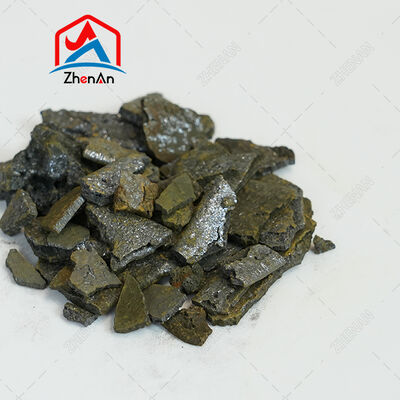
Vanadium Pentoxide Flakes are an inorganic vanadium compound with the chemical formula V₂O₅. They typically appear as yellow, orange-yellow, or reddish-brown crystalline flakes and contain vanadium in a highly concentrated oxide form.
As the most commercially important vanadium oxide product, V₂O₅ serves as the starting material for producing ferrovanadium alloys, catalysts, specialty vanadium chemicals, vanadium metal products, and vanadium battery electrolytes.
Quick Definition: V₂O₅ flakes are high-purity vanadium oxide materials used to manufacture vanadium-based products for metallurgy, chemicals, and large-scale energy storage systems.
Production Process
Producing high-purity vanadium pentoxide requires multiple refining stages designed to maximize vanadium concentration while minimizing metallic and non-metallic impurities.
- Vanadium ore or vanadium slag processing
- Oxidation roasting
- Leaching and vanadium extraction
- Solution purification
- Ammonium metavanadate precipitation
- Calcination and decomposition
- Flake formation and classification
- Chemical analysis and quality verification
Advanced purification technologies enable manufacturers to achieve purity levels suitable for demanding battery and electrolyte applications.
Common Grades of Vanadium Pentoxide
| Grade |
V₂O₅ Content |
Main Application |
| Metallurgical Grade |
≥98.0% |
Ferrovanadium Production |
| Chemical Grade |
≥99.0% |
Catalysts & Chemicals |
| Battery Grade |
≥99.5% |
VRFB Electrolytes |
| Ultra High Purity Grade |
≥99.8% |
Advanced Energy Materials |
Technical Specifications
| Parameter |
Typical Value |
| V₂O₅ Purity |
99.0% - 99.8% |
| Appearance |
Yellow to Brown Flakes |
| Molecular Formula |
V₂O₅ |
| Molecular Weight |
181.88 |
| Melting Point |
Approximately 690°C |
| Bulk Density |
1.2-1.8 g/cm³ |
| Packaging |
25kg Bags / Jumbo Bags |
Vanadium Redox Flow Battery (VRFB) Technology
A Vanadium Redox Flow Battery is a rechargeable energy storage system that uses vanadium ions dissolved in liquid electrolytes to store and release electrical energy.
Unlike lithium-ion batteries, where energy is stored within solid electrode materials, VRFB systems store energy in external electrolyte tanks. This design allows independent scaling of power output and energy capacity, making the technology highly attractive for utility-scale applications.
Key advantages include:
- Long operational lifespan
- Excellent safety characteristics
- Minimal fire risk
- Deep discharge capability
- High cycle stability
- Flexible system scaling
- Suitable for renewable energy integration
V₂O₅ in Battery Production
Vanadium pentoxide flakes are first converted into high-purity vanadium compounds and then processed into electrolyte solutions containing vanadium ions in multiple oxidation states.
These electrolytes function as the active energy storage medium within the battery system. The overall process generally involves:
- V₂O₅ purification
- Chemical reduction and dissolution
- Electrolyte preparation
- Electrolyte balancing and stabilization
- Battery system integration
The purity of the original V₂O₅ feedstock directly affects electrolyte quality, battery efficiency, and long-term system performance.
Importance of High Purity for Energy Storage
Battery applications typically require stricter impurity control than traditional metallurgical uses. High-purity V₂O₅ offers several advantages:
- Improved electrolyte stability
- Enhanced electrochemical performance
- Reduced side reactions
- Longer battery lifespan
- Better energy efficiency
- Lower maintenance requirements
- More consistent operating characteristics
Impurities such as iron, chromium, sodium, potassium, and sulfur compounds can negatively affect electrolyte behavior and battery performance over time.
Energy Storage Applications
High-purity V₂O₅ materials are increasingly used in:
- Utility-scale energy storage systems
- Solar power storage projects
- Wind energy integration facilities
- Microgrid systems
- Industrial backup power installations
- Renewable energy balancing infrastructure
- Grid stabilization projects
As renewable energy penetration increases globally, long-duration storage technologies such as VRFB systems are expected to become increasingly important.
Comparison: V₂O₅ Flakes vs Lithium Battery Materials
| Feature |
V₂O₅ for VRFB |
Lithium Battery Materials |
| Storage Mechanism |
Liquid Electrolyte |
Solid Electrodes |
| Cycle Life |
Very Long |
Moderate |
| Scalability |
Excellent |
Limited |
| Safety |
High |
Requires Thermal Management |
| Utility Scale Suitability |
Excellent |
Common but Cost Sensitive |
Procurement Guide for Battery-Grade V₂O₅ Flakes
When purchasing V₂O₅ for energy storage applications, buyers should carefully evaluate:
- Certified purity level
- Impurity specifications
- Batch consistency
- Electrolyte production compatibility
- Quality management systems
- Third-party inspection availability
- Export experience
- Long-term supply capability
- Technical support resources
Reliable suppliers should provide complete analytical reports, traceability records, and technical documentation for every shipment.
Frequently Asked Questions
Why is vanadium used in flow batteries instead of lithium?
Vanadium flow batteries offer several advantages for large-scale energy storage applications. They provide long cycle life, deep discharge capability, flexible scalability, and excellent operational safety. Unlike lithium-ion systems, the electrolyte can often be reused and recycled, making VRFB technology attractive for long-duration storage projects where lifespan and reliability are critical considerations.
What purity of V₂O₅ is typically required for vanadium battery applications?
Battery applications generally require significantly higher purity than conventional metallurgical applications. Many electrolyte manufacturers prefer V₂O₅ with purity levels of 99.0% or higher, while some advanced systems may require battery-grade material exceeding 99.5% purity. Lower impurity concentrations contribute to improved electrolyte stability and battery performance.
How does V₂O₅ affect battery electrolyte quality?
The quality of vanadium pentoxide directly influences the composition and purity of the resulting electrolyte. High-purity V₂O₅ helps reduce unwanted contaminants, minimizes side reactions, improves electrochemical efficiency, and supports long-term operational stability within the battery system.
What impurities are most important to control?
Battery manufacturers commonly monitor iron, chromium, copper, sodium, potassium, sulfur, phosphorus, and other metallic impurities. Excessive contamination can affect electrolyte chemistry, reduce energy efficiency, and shorten system lifespan. Strict impurity control is therefore essential for high-performance energy storage applications.
Can V₂O₅ be used for both batteries and ferrovanadium production?
Yes. Vanadium pentoxide serves as a raw material for both industries. However, battery applications typically require higher purity levels and tighter quality specifications than ferrovanadium manufacturing. Material intended for energy storage systems often undergoes additional purification processes to meet stringent battery-grade requirements.
What makes VRFB technology suitable for renewable energy storage?
VRFB systems can operate for thousands of charge-discharge cycles while maintaining stable performance. Their ability to store large amounts of energy for extended periods makes them ideal for balancing intermittent renewable energy sources such as solar and wind power. They also provide grid operators with flexibility, reliability, and enhanced energy security.
How should V₂O₅ flakes be stored and transported?
Vanadium pentoxide should be stored in dry, well-ventilated environments using sealed packaging that prevents moisture absorption and contamination. During transportation, proper packaging and handling procedures help maintain product quality and ensure compliance with applicable industrial safety requirements.
What factors influence the price of battery-grade V₂O₅?
Pricing is affected by vanadium ore availability, purification costs, battery market demand, energy prices, environmental compliance costs, logistics expenses, purity requirements, and overall supply-demand conditions within the global vanadium industry. Higher purity materials generally command premium market prices due to stricter production and quality control requirements.


 Twoja wiadomość musi mieć od 20 do 3000 znaków!
 Polish